
The Art of Perfumery
Where
Nature
Becomes Art
Every bottle of MaisonParfum contains years of travel, thousands of hours of composition, and an uncompromising commitment to the rarest materials on earth.
40+
Ingredient Sources
200+
Iterations per Scent
22
Years of Mastery
Scroll to Discover
The Process
Four Acts of
Creation
From raw material to finished fragrance — a journey measured not in days, but in seasons.
The World as Palette
Sourcing
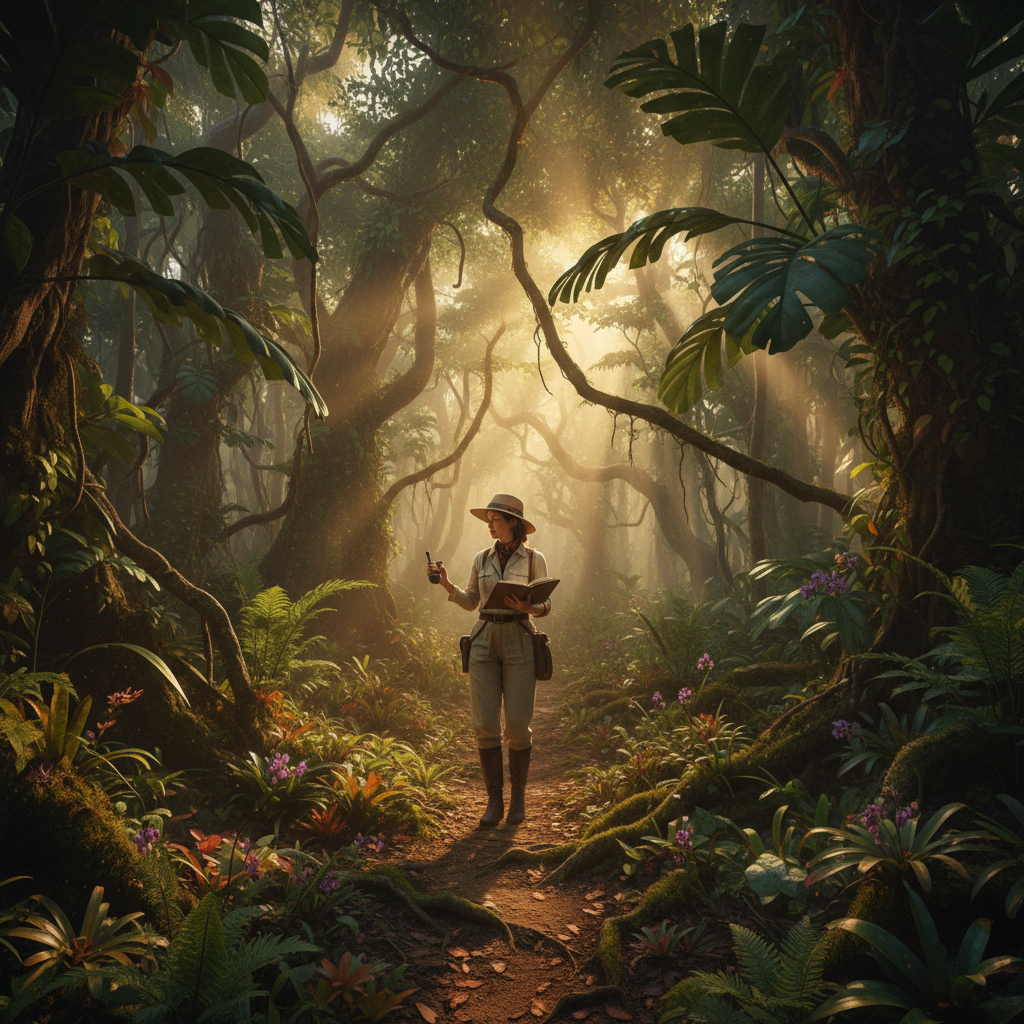
Our perfumers travel to the source — Cambodian forests, Moroccan souks, Florentine fields. Every ingredient is selected in person, evaluated in its native context.
We maintain direct relationships with over 40 growers and harvesters across 18 countries.

Rare Ingredients
The World's
Finest Materials
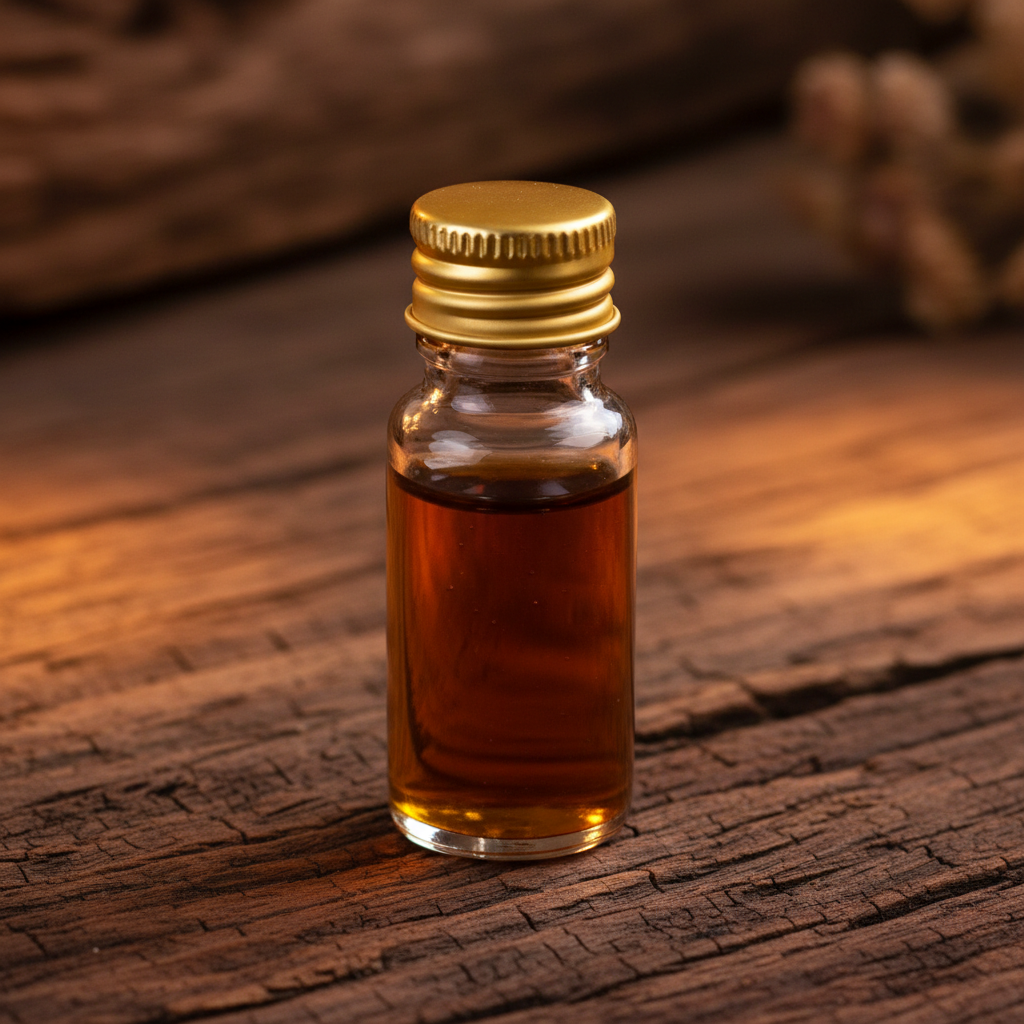
Resinous
Oud Al-Cambodi
Harvested from 60-year-old Aquilaria trees infected with a specific mold, producing the world's most prized aromatic resin.
Origin: Cambodia
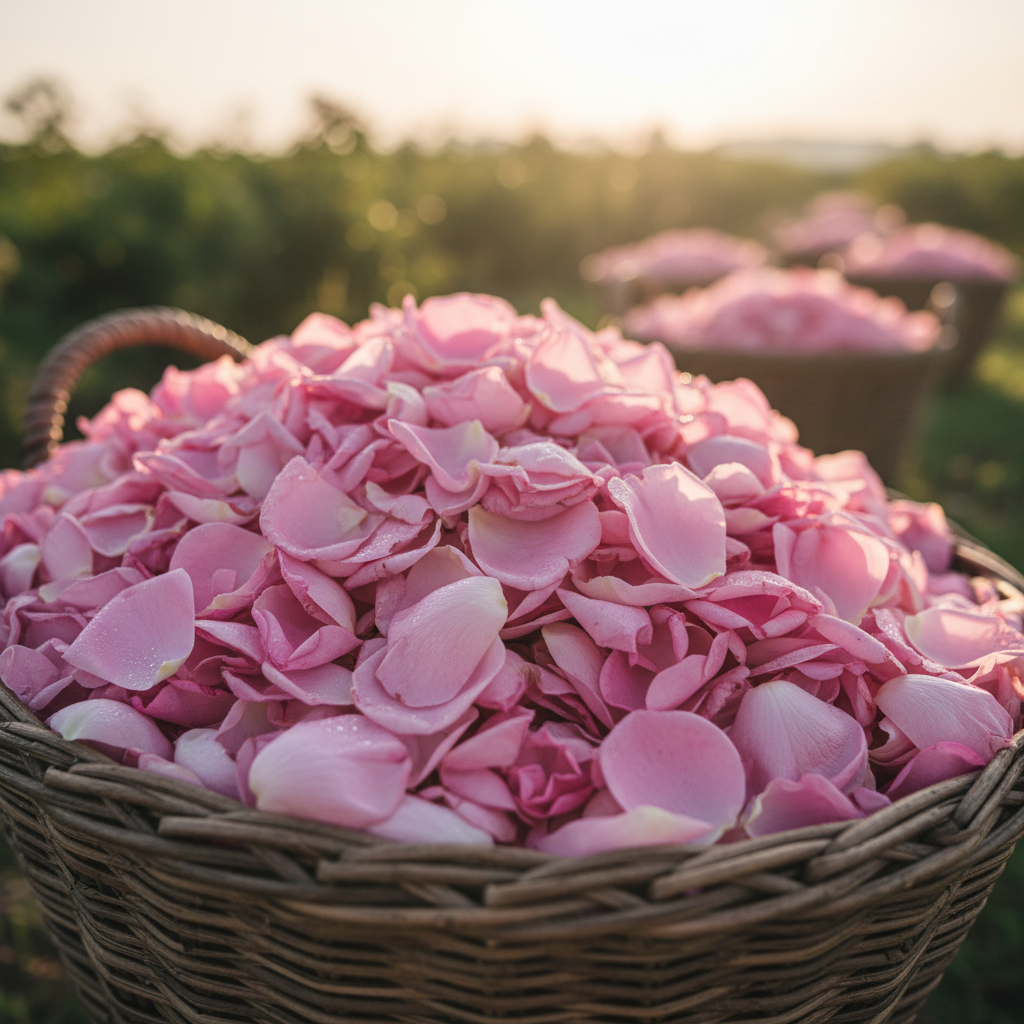
Floral
Rose de Mai
Hand-picked at dawn during a 4-week window each May. Five tons of petals yield just one kilogram of absolute.
Origin: Grasse, France
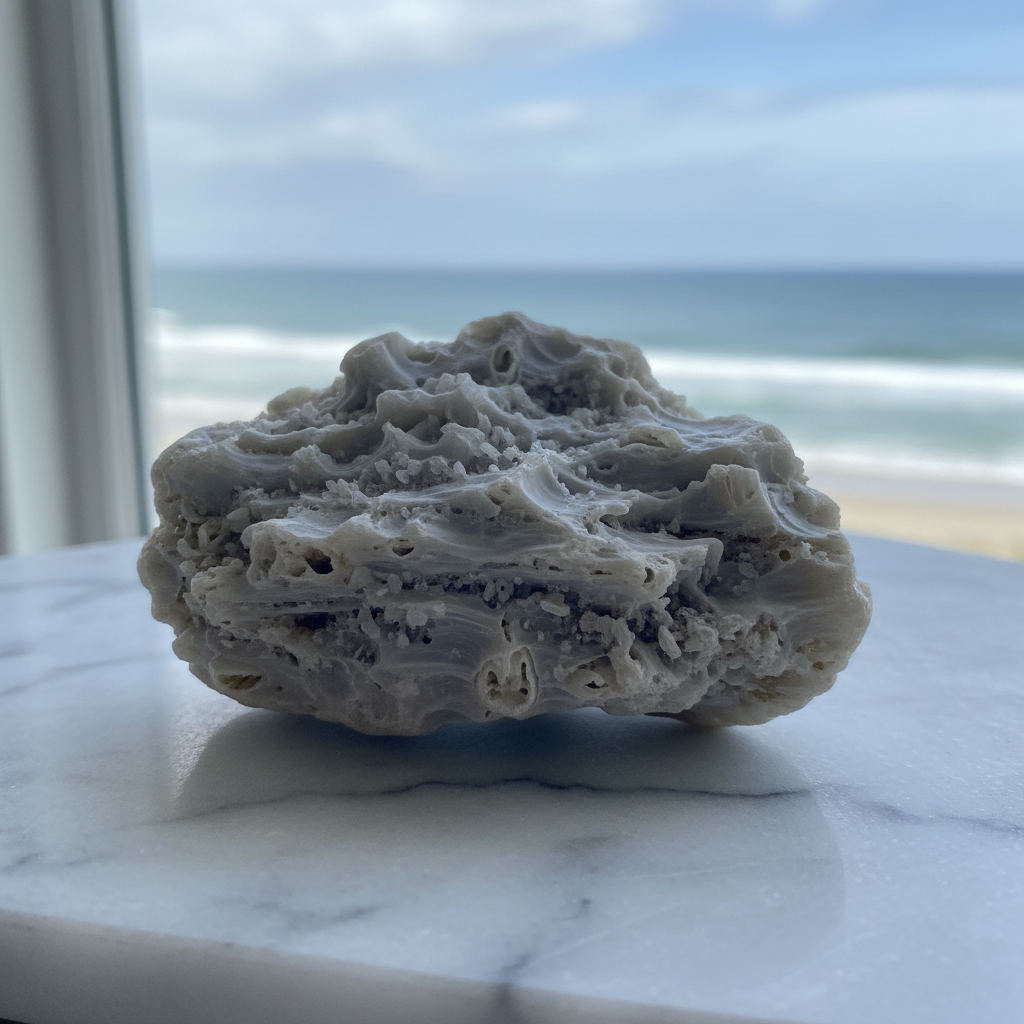
Animalic
Ambergris
A rare oceanic secretion aged for decades at sea. Its warm, marine depth is irreplaceable by any synthetic accord.
Origin: Atlantic Ocean
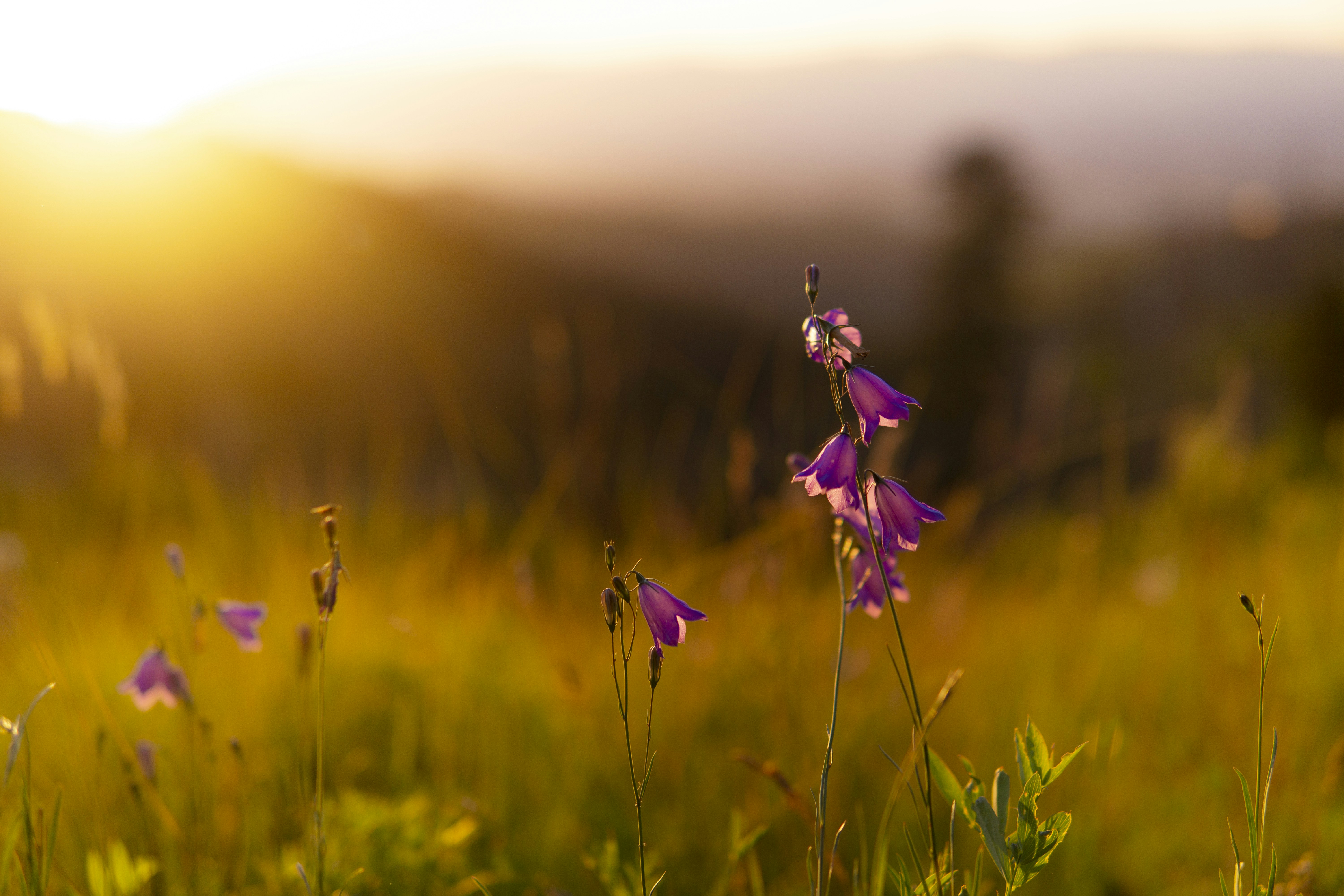
Powdery
Iris Pallida
Rhizomes aged for three years before extraction. The resulting orris butter carries an ethereal violet-powder quality unlike any other material.
Origin: Florence, Italy
Extraction Methods
Ancient
Alchemy
The method of extraction is as important as the ingredient itself. We select each technique with surgical precision — preserving the soul of every material.
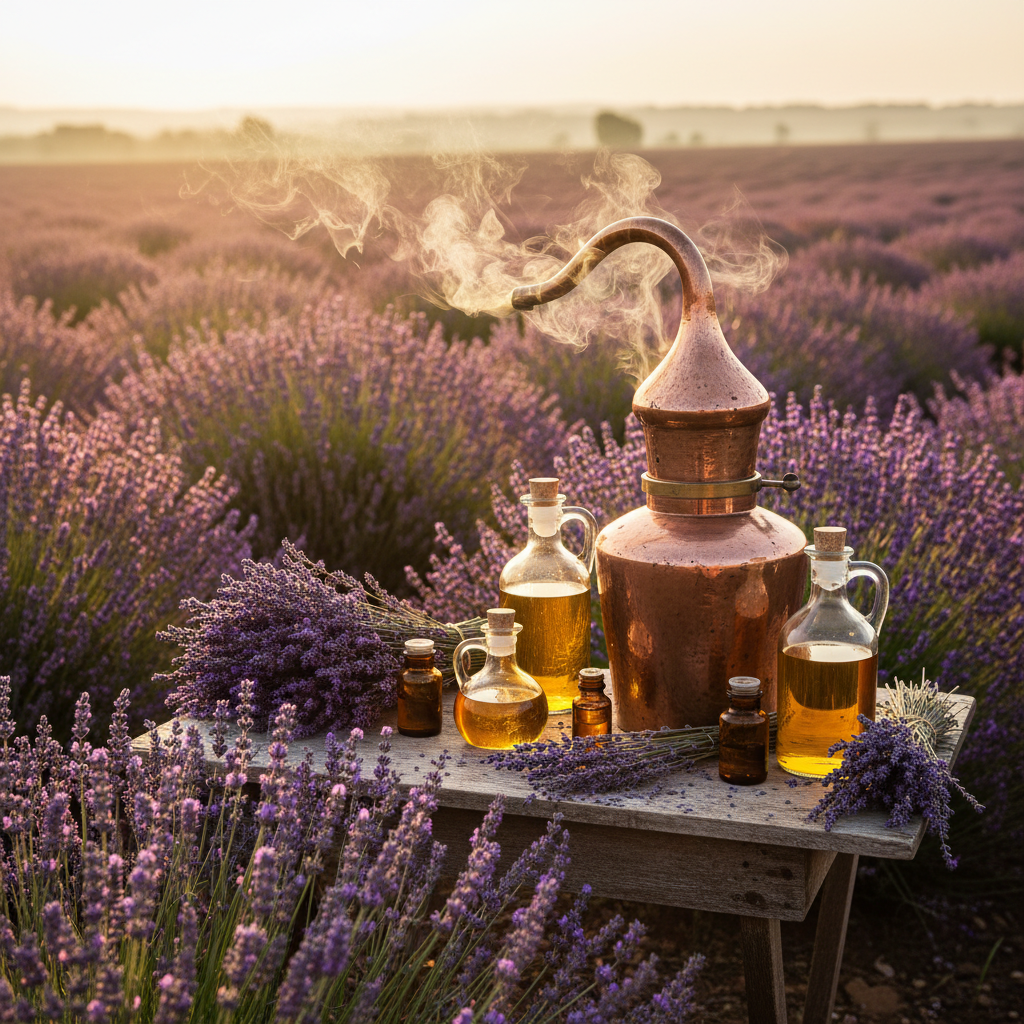
Steam Distillation
Water vapor passes through plant material, carrying volatile aromatic compounds. The steam condenses, separating essential oil from hydrosol.
Best For
Lavender, Rose, Eucalyptus
Cold Enfleurage
Delicate flowers are pressed into cold fat, which absorbs their fragrance over days. The fat is then washed with alcohol to yield an absolute of extraordinary delicacy.
Best For
Jasmine, Tuberose, Gardenia
CO₂ Supercritical
Carbon dioxide at precise temperature and pressure becomes a solvent, extracting aromatic compounds without heat damage — preserving the most volatile top notes.
Best For
Ginger, Frankincense, Vanilla
The Noses
Master
Perfumers
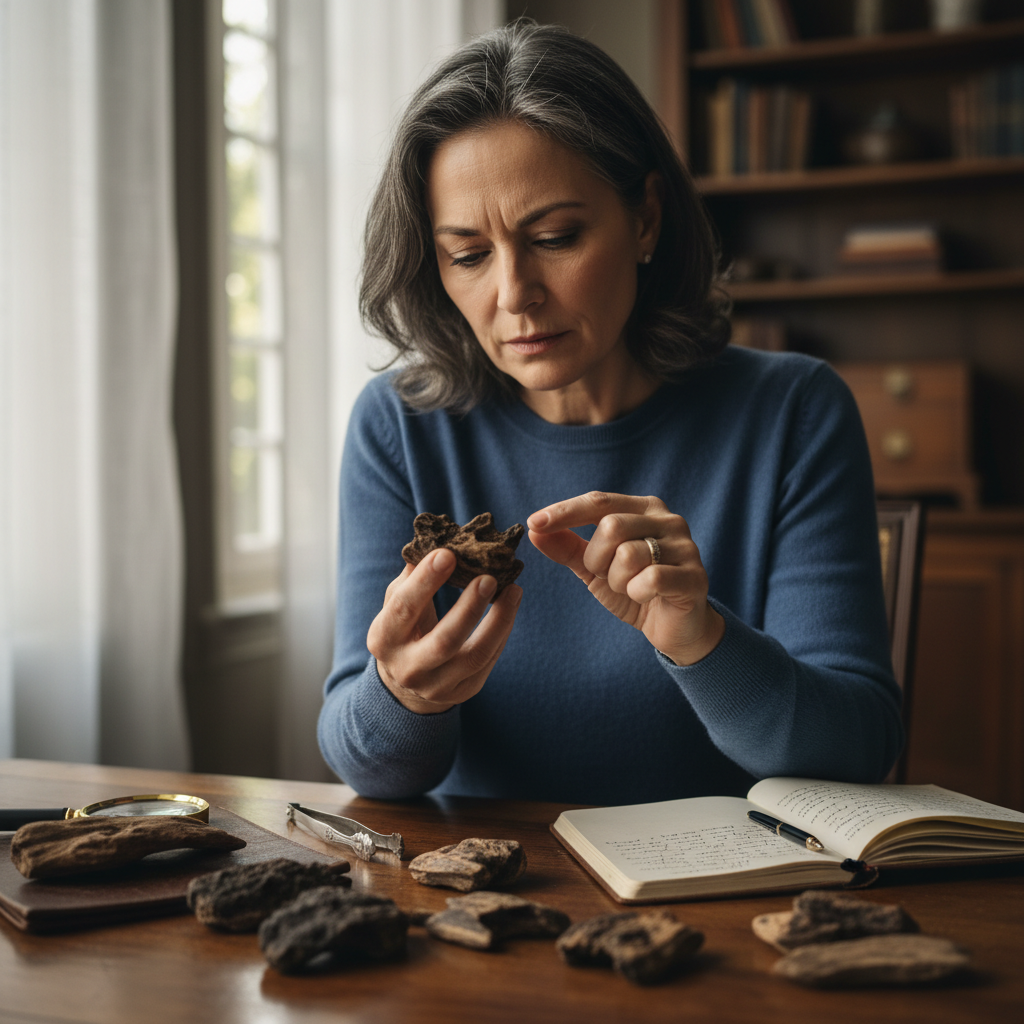
Maître Parfumeur
Élise Moreau
Grasse, France · 22 Years
"A fragrance must tell a story before it is smelled — it must be felt in the imagination first."
Signature Works
Forêt Noire, Velours Blanc
Compositeur Senior
Karim Al-Rashid
Marrakech, Morocco · 18 Years
"The desert taught me patience. The souks taught me abundance. Together, they taught me balance."
Signature Works
Encens Sacré, Nuit Dorée
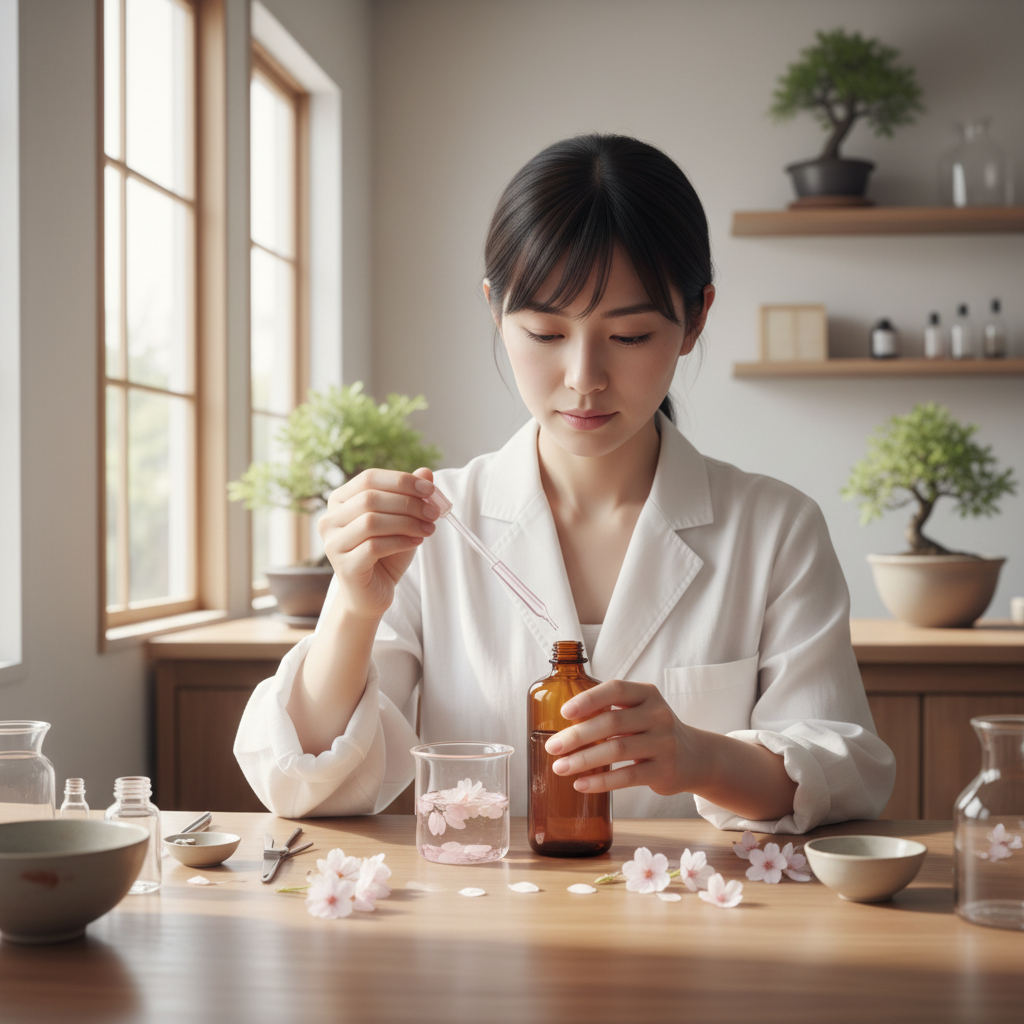
Parfumeur Associé
Yuki Tanaka
Kyoto, Japan · 14 Years
"In Japanese aesthetics, the most beautiful things are those that suggest rather than declare."
Signature Works
Aube Florale, Mer Sauvage
Experience the Craft
Book a Private Consultation
Meet our perfumers. Explore our ingredient library. Discover the fragrance that was made for you.
Reserve Your Appointment→